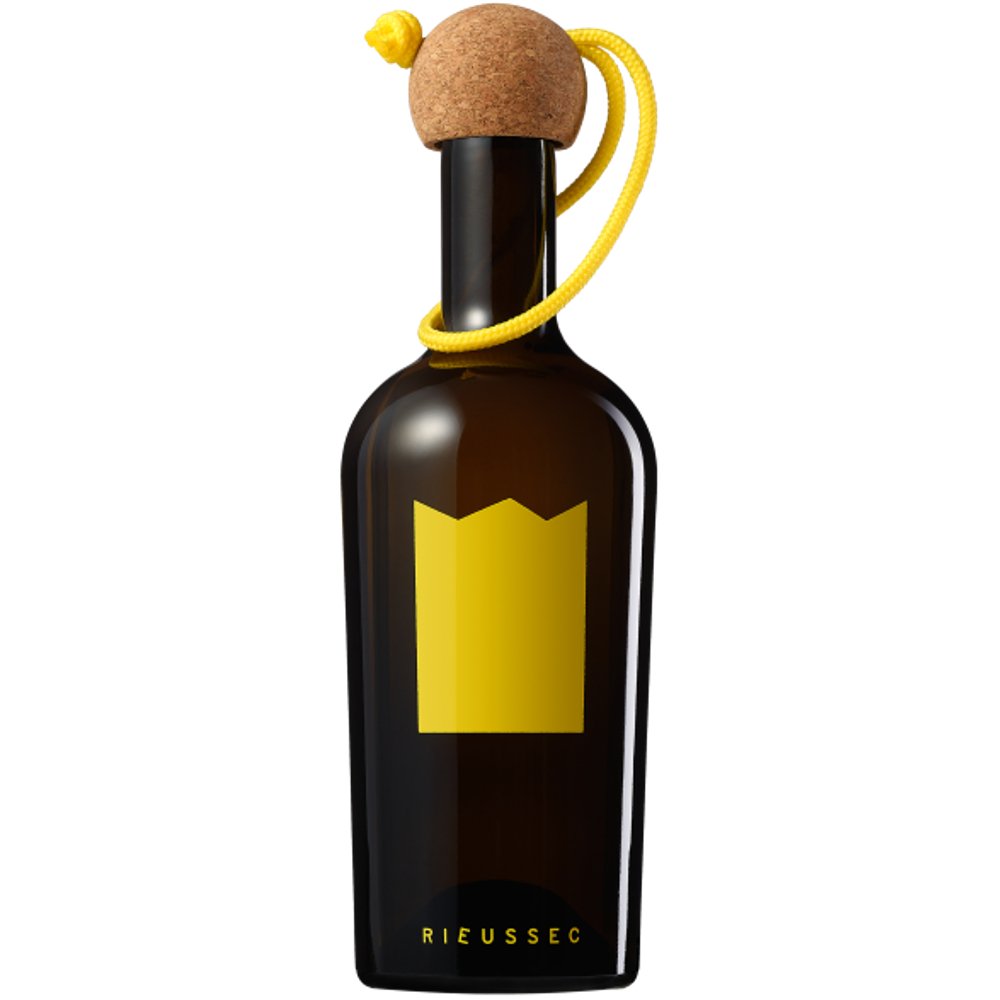
Chateau Bastor-Lamontagne, 2022, Sauternes, Bordeaux, France, White – Sweet, 75cl
$46.71
$63.53
Description Bastor-Lamontagne’s vineyard is situated on the second terrace of the Garonne River. Its terroir is essentially gravel-sand with a slight argillaceous matrix and plot variations depending on the amount of gravel. The average age of the vines is 45 years. The terroir is predisposed to produce wines which are rather fine with good acidity. The grape varieties planted are 80% Semillon and 20% sauvignon, of which a part is Sauvigon Gris. The vineyard is composed of about 30 plots grouped together almost in one single block. For the most part the plots are situated in the commune of Preignac (with the exception of a small plot of 0.71 hectares in the commune of Barsac which was originally connected to Chateau Saint-Robert). The vineyard lies in large part on a sandy-gravel plateau, in addition to some areas with clay-gravel rises which are particularly suited to the production of fine wines. The terroir, which is typical of the appellation, is situated at the bottom of the mid-terrace of the Sauternes region, where the highest point is occupied by Chateau Suduiraud. The largest part of the vineyard is located on a large tenement (place referred to as La Montagne-Ouest), crossed from East to West by a parish lane, as well as on a South tenement (places referred to as Le Rastot and Le Graveron). Two small vineyards within Bastor-Lamontagne, planted exclusively with Semillon produce wines which have kept the names of the locality where the plots are situated: Chateau du Haut Pick (about 9 hectares which belonged to the Larrieu family) and the Cru Bordenave (about 3 hectares). On the strength of its prestige and of the quality of its wines, Chateau Bastor-Lamontagne is part of the Union des Grands Crus de Bordeaux. Vineyard Management The wines from Sauternes and from Bastor Lamontagne in particular are collector’s wines which tell us about history and tradition. They are also pleasure-wines, modern wines, wines for drinking. Winegrowing at Bastor Lamontagne follows this line of tradition, respect for the environment and of modernity. We maintain the historic tradition of a property which has a noble aim and an avant-garde approach and is resolutely modern. Bastor Lamontagne has a style which is based on fruit, freshness, balance; it is delicate and has finesse which makes it a wine which is slightly quirky within its Appellation. Throughout the year we shape each vine. It is painstaking work. It is hard work day after day to produce the best quality of grape, in particular with the Semillon variety which has thin skin, is delicate and has great finesse and the Sauvignon variety which is fruitier. These grape varieties will develop Botryitis Cinerea in the autumn which is a quite exceptional and natural fungus. The soil is tilled traditionally. Work in the vineyard is carried out internally for the most part, except for leaf thinning and harvesting. Harvesting Harvesting is all done by hand and takes place generally from mid-September to mi-October. Harvesting involves about 80 people and occurs during the development of noble rot on the grapes. Vinification and ageing The Sauvignon grapes are harvested in small crates and the Semillon grapes are harvested in small crates or small baskets depending on the plot. Each plot is kept separate until the end of the alcoholic fermentation. 80 harvesters work throughout the 45 hectares of vines for about three weeks. There are three, four and on rare occasions five sorting passes through the vines from the end of September to the end of October, which can vary from year to year. The grapes arrive at the wine cellar and are identified and categorised per plot in order to follow each batch until blending which takes place at the end of barrel ageing. Depending on the temperature and in order to protect the fruitiness, the lightness, and the purity the grapes can be kept for a few hours in small crates in a cold store. A final manual selection takes on the sorting table. The selected grapes, which are perfectly botrytised, then go into the press for direct pressing. The berries which have been dehydrated by Botrytis Cinerea are pressed for long periods of time and very gently so that the best quality juice can be extracted. The juice, or must, obtained is cold stabilised at around 4°c overnight in order to separate the largest particles which may harm the wine. The next morning the must is racked. The clear juice is taken from the top and placed in new oak barrels for the alcoholic fermentation to take place. It lasts for about two weeks until fermentation is arrested. When the yeast has been spent and when the residual sugar is at the correct balance, we stop fermentation usually by adding a minimum dose of sulphur. Furthermore, being from organic agriculture, it happens naturally due to the arrest of fermentation or the cold temperatures depending on the vintage. The right balance for the Grand Vin de Bastor Lamontagne is around 120 grams of natural sugar with alcohol levels at 12.5° to 13.5°, with balanced acidity. The finished wine is racked from the fermentation barrel into a clean barrel for ageing. We use one third new oak barrels for ageing which lasts about 12 months. It is the right proportion of new oak barrels for the Grand Vin de Bastor Lamontagne which represents the vintage, the terroir and its biodiversity. The ageing in oak barrels enhances the wine’s identity. The exchange between oxygen and the wine through the pores in the wood adds finesse and brings out the light, delicate style which characterises Bastor Lamontagne. We end this presentation with the words of Joseph Helfrich, the chateau owner, who describes this Grand Vin with “its pale colour, its floral bouquet, fresh fruit, citrus, white peach. On the palate the wine is lively and responsive with notes of ginger, citron and pear. Although it can age very well, this wine can also be enjoyed young thanks to its vivacity and elegance” Wine is obtained by the work of Man. From the vineyard to the wine cellar Joseph Helfrich’s priority is to improve the means of production and he will be undertaking thorough and fundamental work at his new property. Current investments will mean that the cellars will be modernised in the very near future. “Our strategy to enhance Bastor-Lamontagne requires work first and foremost on the means of production. We aim to build on the historical know-how of the domain and maintain its standards throughout time. We are convinced that this renewal, this modernisation will allow the potential of this terroir to be expressed even more” Joseph Helfrich.